
How Can Lighting Design Make Your Home Feel Warmer and More Inviting?
Lighting design makes a home feel warmer and more inviting by combining multiple layers of light, selecting comfortable color temperatures, reducing glare, highlighting architectural features, and giving homeowners control over brightness. Instead of relying on one bright overhead fixture, thoughtful lighting creates depth and allows each room to transition between everyday tasks, entertaining, and relaxation.
At MAKE-READY Design & Build, we see lighting as an essential part of the overall design, not simply a finishing detail. The right lighting can completely change how a room feels, bringing warmth to beautiful materials, highlighting architectural details, and making spaces more comfortable to use. During a renovation, planning lighting alongside cabinetry, furniture placement, finishes, and electrical needs creates a more cohesive result. Our design-build approach helps ensure lighting decisions work with the home’s architecture and the way our clients actually live, creating spaces that are as functional during a busy morning as they are welcoming during a quiet evening at home.
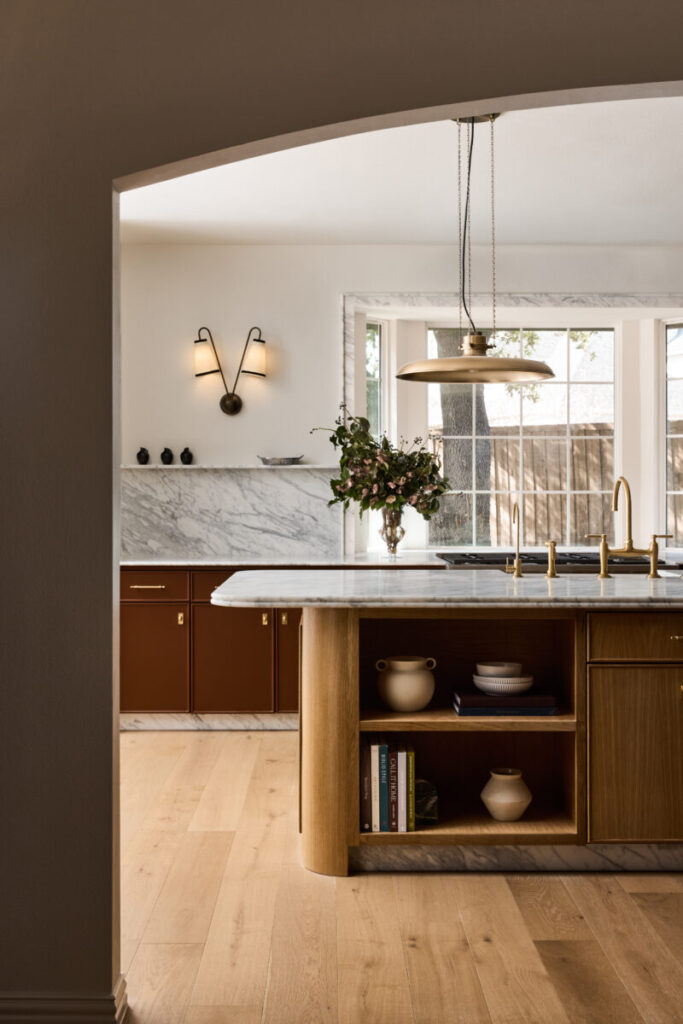
Home Lighting Design Ideas for Better Ambiance and Function
The best home lighting plans balance ambient, task, and accent lighting rather than asking a single fixture to illuminate an entire room. The American Lighting Association recommends incorporating layers of lighting to create spaces that are both functional and stylish.
This layered approach is also increasingly visible in current home design. Rather than flooding rooms with uniform overhead light, homeowners and designers are using sconces, lamps, concealed LEDs, pendants, and carefully positioned recessed lighting to create depth and flexibility.
What Are the Three Main Layers of Lighting?
A well-designed room typically combines ambient, task, and accent lighting. Each layer serves a different purpose, and together they create a room that feels more intentional.
1. Ambient lighting
Ambient lighting provides the room’s overall illumination. Sources can include recessed fixtures, chandeliers, ceiling fixtures, wall sconces, and natural daylight.
2. Task lighting
Task lighting provides focused illumination where specific activities take place. Examples include:
- Under-cabinet lights for kitchen countertops
- Vanity lighting around bathroom mirrors
- Reading lamps beside beds and chairs
- Pendants over kitchen islands
- Desk lighting in home offices
3. Accent lighting
Accent lighting creates visual interest and atmosphere. It can highlight artwork, cabinetry, fireplaces, textured walls, built-ins, or architectural details.
When these three layers work together, you gain flexibility. A brightly illuminated kitchen can become a softer entertaining space after dinner simply by dimming the primary lights and allowing pendants, sconces, or accent lighting to take over.
How Does Lighting Change the Mood of a Room?
Lighting changes a room’s mood through brightness, placement, contrast, and color temperature. Bright, evenly distributed light can make a room feel energetic and functional, while softer pools of warm light tend to create a more intimate and relaxing atmosphere.
Color temperature plays an especially important role. Light measured at a lower Kelvin temperature generally appears warmer and more golden, while higher Kelvin lighting appears cooler and more blue-white.
For many living spaces, homeowners prefer warmer lighting because it complements wood, textiles, natural stone, and warm paint colors. Kitchens and work areas may benefit from slightly brighter or more neutral illumination where visibility is important.
Dimmers provide another valuable layer of control. Instead of designing a room for one fixed brightness level, dimmable lighting allows the same space to serve multiple purposes throughout the day.
Where Should You Use Accent Lighting in Your Home?
Accent lighting works best when it intentionally draws attention to something worth seeing. Rather than adding accent lights everywhere, identify the architectural features, finishes, or objects that give each room character.
Great opportunities include:
- Built-in cabinetry and shelving
- Artwork and photography
- Fireplace surrounds
- Architectural niches
- Textured or stone walls
- Kitchen backsplashes
- Display cabinets
- Staircases
- Ceiling details
For example, integrated lighting inside built-in cabinetry can make millwork feel more architectural while creating a soft glow at night. Under-cabinet lighting in a kitchen provides useful task illumination while also emphasizing the backsplash and countertop materials.
The placement of light can be just as important as the fixture itself. Lighting surfaces, walls, and architectural edges can create a sense of depth that a single central ceiling fixture cannot achieve.
Should You Add Smart Lighting During a Home Remodel?
A renovation is an ideal time to consider smart lighting and advanced controls because electrical wiring, switch locations, fixtures, and lighting zones can be coordinated before walls are finished.
Smart lighting can allow homeowners to adjust brightness, schedules, and, with compatible systems, color temperature from switches, apps, or automated settings.
Consider creating preset lighting scenes for activities such as:
- Morning routines
- Cooking
- Entertaining
- Movie nights
- Reading
- Evening relaxation
- Bedtime
A “Dinner” setting, for example, might dim kitchen task lighting while keeping pendants and nearby accent lights softly illuminated. An “Entertaining” scene could illuminate artwork, built-ins, and gathering areas while keeping other spaces subdued.
Energy efficiency is another consideration. The U.S. Department of Energy identifies solid-state lighting, which includes LED technology, as an important tool for reducing lighting energy consumption. DOE research has estimated that widespread adoption of solid-state lighting technology has the potential to reduce U.S. lighting energy use significantly.
When Should Lighting Be Planned During a Renovation?
Lighting should be planned early in the design process, ideally alongside the floor plan, cabinetry, furniture layout, and electrical plan. Waiting until construction is nearly complete can limit fixture placement and opportunities for integrated lighting.
Before finalizing a lighting plan, consider:
- Where furniture will be positioned
- Where artwork may hang
- Which countertops require task lighting
- Where cabinetry or built-ins could incorporate lighting
- Which architectural details deserve emphasis
- Where switches and dimmers will be most convenient
- How each room will be used during the day and evening
This is particularly important in open-concept spaces. A kitchen, dining area, and living room may visually connect, but each zone has different lighting requirements.
Early planning allows those areas to feel cohesive without making them identical.
It is also worth considering lighting as part of a broader renovation strategy. According to the 2026 U.S. Houzz & Home Study, 54% of surveyed homeowners reported renovating their homes, showing that renovation activity remains strong. Thoughtful details such as lighting can help homeowners get more from those investments by improving both everyday usability and the finished aesthetic.
Home Lighting Design FAQs
Is warm or cool lighting better for a home?
Warm lighting is generally well suited to bedrooms, living rooms, dining rooms, and other spaces designed for comfort and relaxation. More neutral lighting can work well in kitchens, bathrooms, offices, and other task-oriented areas. The best choice depends on the room, finishes, natural light, and desired atmosphere.
Does every room need recessed lighting?
No. Recessed lighting can be useful, particularly for general or task illumination, but it does not need to be the only source of light. Combining recessed fixtures with sconces, pendants, lamps, and accent lighting often creates a more comfortable and visually interesting space.
Are dimmer switches worth adding during a remodel?
Yes, dimmers can significantly increase the flexibility of a lighting plan. They allow homeowners to adjust brightness for different activities and create softer lighting during evenings or entertaining.
What lighting makes a home feel more luxurious?
Layered lighting, concealed illumination, decorative fixtures, well-positioned sconces, integrated cabinet lighting, and carefully controlled brightness can all create a more refined atmosphere. Luxury lighting is less about adding more fixtures and more about illuminating the right places thoughtfully.
Transform Your Home With Thoughtful Lighting Design
Great lighting is something you notice without always realizing why. It makes materials look richer, rooms feel warmer, architectural features stand out, and everyday activities more comfortable.
At MAKE-READY Design & Build, we consider lighting alongside the bigger picture of your renovation. From kitchen task lighting and statement fixtures to integrated cabinetry lighting and whole-home ambiance, thoughtful planning helps every element of the finished space work together.
Ready to transform the way your home looks and feels? Contact MAKE-READY Design & Build to start planning your renovation and lighting design.